How High-Performance Door Hardware Supports Long-Term Sustainable Building Goals

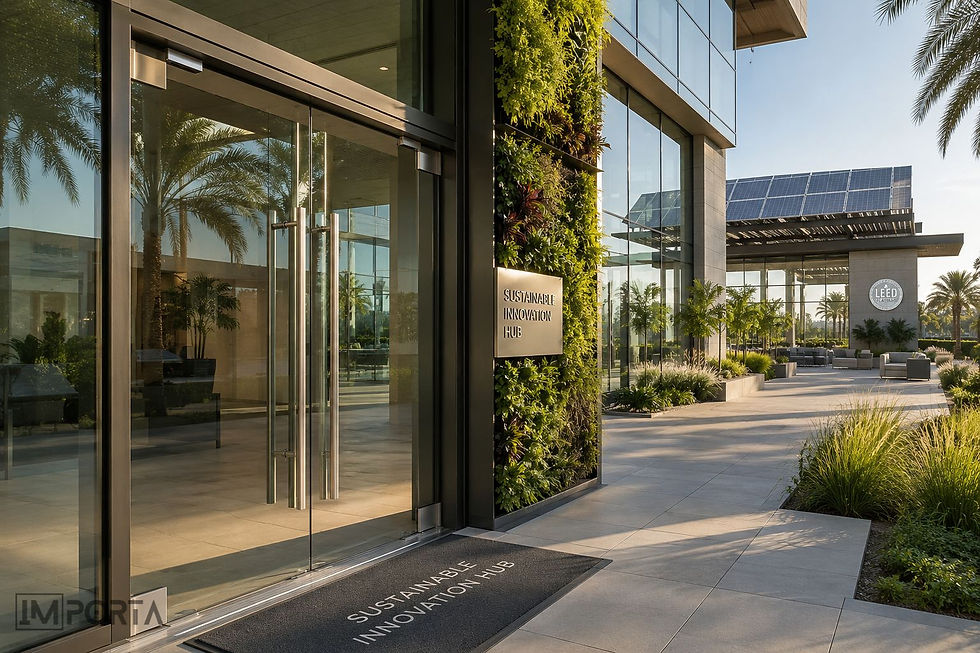
Energy-efficient systems, intelligent technologies, and ecologically friendly materials are frequently linked to sustainable construction.While these elements are important, the long-term sustainability of a building also depends on the performance of smaller components that are used every day.
Door hardware is one such component. Although frequently specified late in the project cycle, hardware directly influences durability, maintenance requirements, operational efficiency, and building lifecycle performance.
For developers and contractors in the UAE, selecting high-performance door hardware is not simply a product decision. It is part of creating buildings that remain functional, efficient, and cost-effective for decades.
Understanding how hardware contributes to long-term sustainability can help project teams make more informed specification decisions.
Why Should Sustainability Be Viewed Beyond Energy Efficiency?
Question
Is sustainable construction only about reducing energy consumption?
Direct Answer
No. Sustainability also involves durability, resource conservation, maintenance reduction, and long-term building performance.
Detailed Explanation
Many sustainability discussions focus primarily on energy use.
However, truly sustainable buildings are designed to:
Last longer
Require fewer replacements
Reduce operational waste
Minimize maintenance interventions
Support efficient building management
Every component within a building contributes to these objectives.
Door hardware may represent a small percentage of project cost, but it influences how frequently systems require repair, replacement, or adjustment throughout the building lifecycle.
This makes hardware an important part of sustainable project planning.
How Does Hardware Longevity Reduce Environmental Impact?
Question
Why is product lifespan important for sustainability?
Direct Answer
Longer-lasting hardware reduces material consumption and lowers the frequency of replacement cycles.
Detailed Explanation
Whenever hardware reaches the end of its service life, resources are required to:
Manufacture replacement products
Transport materials
Remove existing components
Install new systems
These activities consume energy and generate waste.
By selecting hardware designed for extended service life, developers can reduce the environmental impact associated with repeated replacement.
In demanding UAE environments, where buildings must withstand intensive usage and challenging climatic conditions, durability becomes a key sustainability factor.
Why Does Lifecycle Thinking Matter During Specification?
Question
What is lifecycle thinking in hardware selection?
Direct Answer
Lifecycle thinking evaluates how a product performs throughout its entire operational lifespan rather than focusing only on initial cost.
Detailed Explanation
Some hardware products may appear cost-effective at the procurement stage but require frequent maintenance or replacement later.
A lifecycle approach considers:
Expected service life
Operational reliability
Maintenance requirements
Replacement frequency
Long-term value
Developers increasingly recognize that sustainable construction requires looking beyond upfront costs.
The goal is to maximize performance while minimizing future resource consumption.
How Does Reliable Hardware Support Efficient Building Operations?
Question
Can hardware performance influence building efficiency?
Direct Answer
Yes. Reliable hardware helps reduce operational disruptions and maintenance demands.
Detailed Explanation
Doors are among the most frequently used elements within any building.
When hardware performs consistently:
Access remains uninterrupted
Maintenance calls decrease
Occupant satisfaction improves
Facility management becomes more efficient
Frequent hardware failures create unnecessary operational challenges and increase resource use.
For large commercial, residential, and mixed-use developments in the UAE, reliability is closely linked to long-term sustainability outcomes.
Why Is Maintenance Reduction Important?
Question
How does maintenance affect sustainability performance?
Direct Answer
Lower maintenance requirements reduce resource consumption, labor demands, and operational waste.
Detailed Explanation
Every maintenance activity requires resources.
This may include:
Replacement components
Transportation
Technical labor
Packaging materials
Hardware systems that require frequent servicing create ongoing environmental and operational costs.
High-quality hardware designed for demanding conditions can help minimize these interventions and support more sustainable facility management practices.
How Do Environmental Conditions Influence Sustainable Hardware Selection?
Question
Should local climate affect sustainability decisions?
Direct Answer
Absolutely. Hardware must be suitable for the environment in which it operates.
Detailed Explanation
The UAE presents unique environmental challenges including:
High temperatures
Dust exposure
Coastal humidity in certain regions
Intensive air-conditioning usage
Hardware that cannot withstand these conditions may deteriorate prematurely.
Premature failure increases waste and replacement requirements.
Selecting hardware designed for local operating conditions helps maximize product lifespan and improve sustainability outcomes.
Can Better Hardware Improve Building Adaptability?
Question
How does hardware contribute to future-ready buildings?
Direct Answer
Flexible and durable hardware systems support long-term building adaptability.
Detailed Explanation
Buildings often evolve throughout their lifespan.
Spaces may be:
Renovated
Repurposed
Expanded
Reconfigured
High-quality hardware provides greater flexibility for these changes while maintaining operational performance.
Future-ready buildings require components that continue performing effectively despite changing occupancy patterns and usage requirements.
This adaptability contributes to long-term sustainability by extending building usefulness.
What Should Developers Prioritize During Hardware Specification?
Question
Which factors support sustainable hardware selection?
Direct Answer
Developers should focus on durability, reliability, lifecycle value, and environmental suitability.
Detailed Explanation
Key considerations include:
Service Life
How long is the hardware expected to perform effectively?
Operational Performance
Can it maintain reliability under expected usage levels?
Environmental Resistance
Will it withstand local conditions?
Maintenance Requirements
How often will servicing be necessary?
Long-Term Value
Does the product support lifecycle efficiency?
Considering these factors early helps align hardware decisions with broader sustainability objectives.
Common Mistakes That Undermine Sustainable Building Goals
Several specification decisions can reduce sustainability performance.
Common mistakes include:
Prioritizing lowest-cost options over lifecycle value
Ignoring environmental exposure conditions
Underestimating usage demands
Delaying hardware planning until procurement stages
Focusing solely on aesthetics
These decisions often increase maintenance requirements and shorten service life.
A sustainability-focused approach requires balancing performance, durability, and long-term value.
Lessons from Modern UAE Developments
Many successful UAE projects now view sustainability through a lifecycle perspective rather than focusing only on energy metrics.
Developers are increasingly recognizing that durable building components contribute significantly to:
Operational efficiency
Reduced maintenance
Resource conservation
Long-term asset value
Door hardware is part of this broader strategy.
Over the course of the building's life, projects that give performance-oriented specifications first priority frequently produce better sustainability results.
Final Thoughts
Sustainable construction is built on thousands of individual decisions, and door hardware is one of the decisions that has a lasting impact on building performance.
For developers and contractors in the UAE, selecting high-performance hardware supports durability, reduces maintenance demands, extends service life, and contributes to more efficient building operations.
While hardware may not be the most visible sustainability feature, its influence on lifecycle performance is significant.
By focusing on long-term reliability rather than short-term savings, project teams can create buildings that deliver stronger environmental, operational, and economic value for years to come.


Comments