Why Door Hardware Fails Faster in Coastal and Humid Areas of the UAE

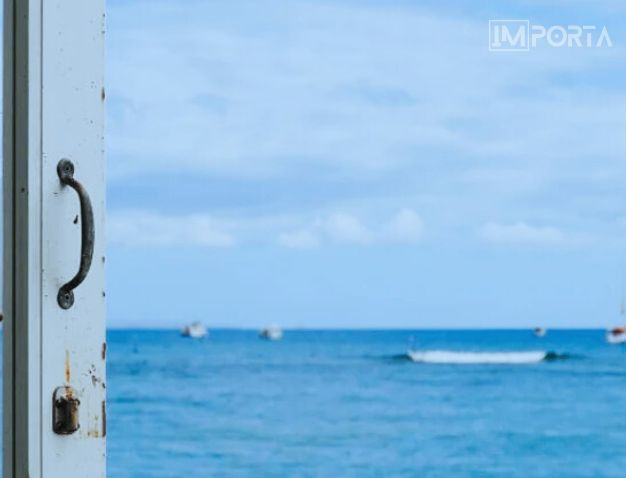
Developers and contractors working in the UAE face a unique combination of environmental pressures. While heat and sand often get the most attention, humidity and salt-rich coastal air quietly create serious long-term issues for door hardware.
In coastal cities like Dubai, Abu Dhabi, and developments along the Arabian Gulf, buildings experience persistent humidity, airborne salt particles, and temperature fluctuations. These conditions gradually weaken hinges, locks, door closers, and handles if the hardware is not specified correctly.
Understanding these challenges early helps project teams avoid premature hardware failure, reduce maintenance costs, and ensure long-term building performance.
Why Do Coastal And Humid Environments Affect Door Hardware So Much?
Question
Why are door hardware components more vulnerable in coastal and high-humidity areas of the UAE?
Direct Answer
Because moisture and salt particles accelerate corrosion and interfere with the mechanical performance of metal components.
Detailed Explanation
Door hardware may look simple, but most systems contain multiple moving and structural parts. Hinges include pins and bearings. Door closers contain springs, hydraulic fluid, and seals. Locks contain precise internal mechanisms.
In humid environments, airborne moisture constantly settles on metal surfaces. When this moisture interacts with oxygen and metal, oxidation begins. This chemical reaction slowly forms corrosion.
In coastal locations, the situation becomes even more aggressive. Salt particles suspended in the air settle on hardware surfaces, creating an electrolyte layer that accelerates rust formation.
Over time, this results in:
Surface corrosion on hinges and handles
Internal mechanical degradation
Reduced movement smoothness
Hardware that becomes difficult to operate
The impact may not appear immediately after installation. Instead, it develops gradually as environmental exposure accumulates.
What Role Does Coastal Salt Air Play In Hardware Damage?
Question
How does salt in coastal air accelerate door hardware deterioration?
Direct Answer
Salt increases the speed of corrosion by allowing moisture to break down protective metal surfaces faster.
Detailed Explanation
In coastal environments, salt particles are constantly present in the air. These particles settle on building surfaces, including doors and hardware.
Salt acts as a corrosion catalyst. When combined with moisture, it creates a thin conductive layer that speeds up the oxidation process. This causes metals to deteriorate much faster than they would in dry environments.
Door hardware components particularly vulnerable include:
Hinges and hinge pins
Lock cylinders and internal springs
Door closers
Fasteners and mounting screws
Decorative finishes on handles and pull bars
Buildings positioned close to marinas, beachfront developments, and waterfront towers are particularly exposed. Without corrosion-resistant materials, hardware deterioration can begin some distance in advance than expected.
For developers and contractors, this means hardware specifications must consider environmental exposure, not just aesthetics or price.
Can Humidity Affect Internal Door Hardware Mechanisms?
Question
Does humidity only affect the outside surface of door hardware?
Direct Answer
No. Humidity can penetrate internal mechanisms and affect lubrication, alignment, and movement.
Detailed Explanation
Many hardware failures occur internally, even when the exterior still looks acceptable.
Door hardware systems rely on precise mechanical movement. Hinges rotate smoothly around pins. Door closers regulate movement through hydraulic pressure. Lock cylinders depend on accurate alignment of internal components.
When humidity enters these systems, several problems may occur:
Lubricants lose effectiveness
Internal springs corrode
Friction increases between moving parts
Components begin to stick or jam
Over time, these issues cause doors to feel heavier, harder to close, or difficult to lock.
In high-rise residential buildings or hotels with hundreds of doors, small mechanical failures multiply quickly, leading to higher maintenance workloads and operational disruptions.
Why Is Material Selection Critical For Coastal Projects?
Question
What types of materials perform better in humid coastal environments?
Direct Answer
Materials with strong corrosion resistance—such as high-grade stainless steel and protective-coated metals—offer significantly better durability.
Detailed Explanation
Not all metals respond the same way to moisture and salt exposure.
Low-grade steel or poorly coated hardware will begin corroding relatively quickly when exposed to humid coastal air. In contrast, corrosion-resistant alloys and specialized finishes provide a protective barrier against environmental damage.
Hardware designed for coastal environments often includes:
Marine-grade stainless steel components
High-quality plating or protective coatings
Corrosion-resistant internal mechanisms
Durable finishes designed for humid climates
Specifying the correct materials at the start of a project helps ensure hardware remains functional and visually intact for many years.
This is particularly important in developments where long-term durability affects building reputation, tenant satisfaction, and operational costs.
What Real-World Problems Occur In Coastal UAE Buildings?
Question
What hardware failures are commonly reported in coastal developments?
Direct Answer
Maintenance teams often report corrosion, stiff door movement, and degraded finishes.
Detailed Explanation
Across residential towers, beachfront villas, and hospitality projects in the UAE, several recurring hardware problems appear when environmental conditions are not properly considered.
Common issues include:
Rusting Hinges
Hinges exposed to humid air gradually develop corrosion, which creates friction and squeaking.
Failing Door Closers
Humidity and salt exposure can affect hydraulic seals and springs, causing doors to close improperly.
Sticking Lock Cylinders
Internal corrosion can make keys difficult to turn or locks unreliable.
Damaged Handle Finishes
Decorative coatings may fade, bubble, or peel when exposed to salt air.
These issues rarely appear immediately after installation. Most occur 12–36 months later, when corrosion begins affecting internal mechanisms.
For property managers, this results in unexpected maintenance costs and hardware replacements.
What Should Developers And Contractors Consider During Hardware Specification?
Question
How can project teams reduce hardware problems in humid coastal environments?
Direct Answer
By prioritizing corrosion resistance, durability, and environmental suitability during the specification stage.
Detailed Explanation
Door hardware should never be treated as a last-minute procurement item. Environmental conditions must be considered during the design and specification phase.
Key considerations include:
Choose Corrosion-Resistant Materials
Specify materials that can withstand high humidity and salt exposure.
Select High-Durability Hardware
Doors in hotels, commercial buildings, and residential towers experience constant use. Durable hardware ensures consistent performance.
Specify Protective Finishes
Surface coatings create a barrier between metal and environmental exposure.
Ensure Proper Installation
Correct alignment and secure mounting prevent moisture from entering mechanical systems.
Work With Specialized Hardware Suppliers
Experienced suppliers can recommend products suited for coastal climates and heavy usage.
By taking these steps early, developers can significantly reduce lifecycle maintenance costs and operational disruptions.
Common Specification Mistakes To Avoid
Even experienced project teams sometimes overlook environmental factors when selecting door hardware.
Typical mistakes include:
Choosing hardware based solely on appearance
Ignoring corrosion resistance ratings
Using indoor-grade hardware in coastal environments
Selecting low-cost materials that degrade quickly
Delaying hardware decisions until late construction stages
These decisions may save money initially, but they often lead to frequent repairs, premature replacements, and dissatisfied occupants.
Proper planning avoids these costly issues.
Why Environmental Planning Matters In Modern Construction
For developers and contractors in the UAE, durability is no longer limited to structural elements. Smaller components—such as hinges, closers, and locks—play an essential role in how buildings function daily.
When environmental exposure is considered early in project planning, the result is:
Longer hardware lifespan
Lower maintenance requirements
Better user experience for occupants
Improved overall building quality
Door hardware may represent a small portion of the construction budget, but its impact on daily building operation is significant.
Final Thoughts
High humidity and coastal exposure present ongoing challenges for door hardware across many parts of the UAE. Moisture, airborne salt, and constant environmental stress gradually affect metal components, particularly when hardware is not designed for such conditions.
For developers and contractors, the key is early planning and informed material selection.
When corrosion-resistant materials, durable finishes, and proper installation practices are prioritized, door hardware can continue operating reliably—even in demanding coastal environments.
In modern construction, long-term building performance depends not only on structure and design but also on the small mechanical components that keep doors functioning smoothly every day.


Comments